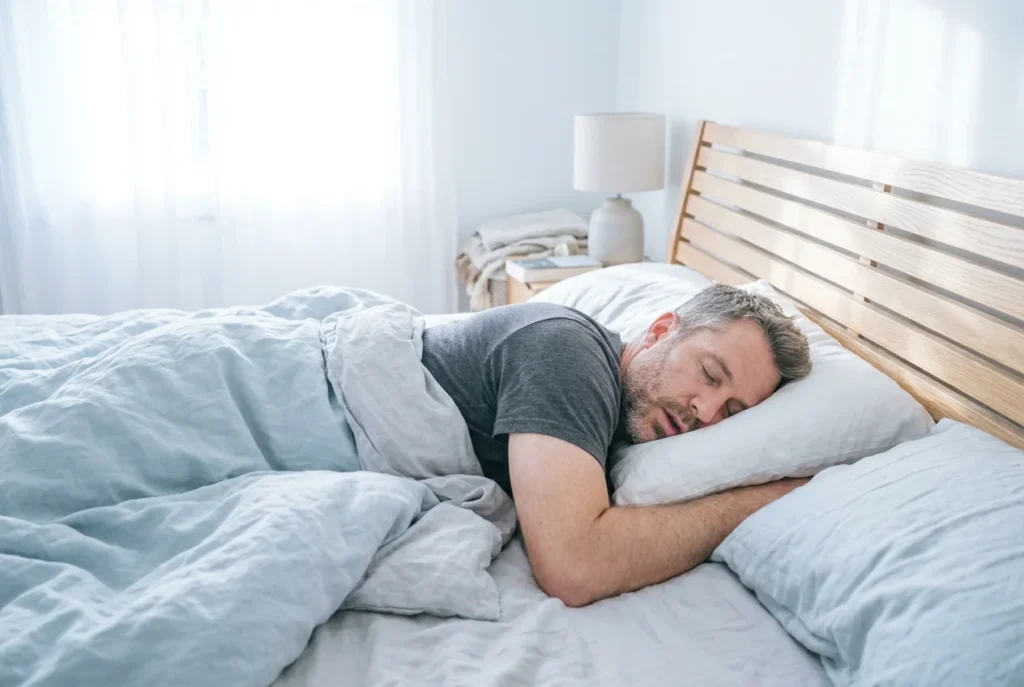


There’s perhaps nothing more frustrating than lying in bed, utterly exhausted, yet unable to drift off to sleep. Your body is begging for rest, but your mind won’t cooperate. This paradox—being tired but unable to sleep—affects millions of people and can turn bedtime into a nightly battle of wills.
The good news is that this frustrating experience is both common and manageable. Whether you’re dealing with occasional bouts of sleepless exhaustion or a chronic pattern, understanding why it happens and knowing what to do can transform your nights. This article provides both immediate strategies to help you fall asleep tonight and long-term solutions to prevent this exhausting cycle from recurring.
Quick Answer: Why Am I Tired But Can’t Sleep?
Being tired but unable to sleep often results from a disconnect between physical exhaustion and mental activation. Stress, anxiety, poor sleep hygiene, stimulants, and irregular schedules can keep your brain alert even when your body is worn out. The key is addressing both the immediate symptoms and underlying causes.
Understanding the Tired-But-Awake Paradox
Your body and mind don’t always operate in sync. Physical tiredness doesn’t guarantee sleep readiness. Your brain might be processing stress, worrying about tomorrow, or still activated by daily activities. This creates the frustrating state of being exhausted but wide awake.
The sympathetic nervous system plays a key role. When activated by stress or stimulation, it keeps you alert. Your heart rate stays elevated, muscles remain tense, and mental activity continues. Even if your body craves rest, your nervous system isn’t ready to switch off.
Over-tiredness can also work against you. Pushing past your natural sleep window sometimes triggers a second wind. Adrenaline and cortisol surge to keep you going. This is why fighting through tiredness often backfires when you finally try to sleep.
Immediate Strategies to Fall Asleep
When you’re tired but can’t sleep right now, try these techniques. They help shift your nervous system from alert to relaxed. Practice them with patience—forcing sleep rarely works.
The four-seven-eight breathing technique is highly effective. Inhale for four counts, hold for seven, exhale for eight. Repeat this cycle four to eight times. This pattern activates the parasympathetic nervous system, your body’s relaxation response.
Progressive muscle relaxation also helps. Starting with your toes, tense each muscle group for five seconds, then release. Work your way up through your legs, torso, arms, and face. This physical release signals safety to your brain and promotes sleep.
If you’re not asleep after twenty minutes, get up. Lying in bed awake creates frustration and negative associations. Do a quiet activity in dim light—reading, gentle stretching, or meditation. Return to bed when you feel sleepy.
Common Causes and Quick Fixes
Caffeine can linger in your system for eight hours or more. That afternoon coffee might be keeping you awake now. Switch to herbal tea after noon. If you’re sensitive to caffeine, consider cutting it off even earlier.
Evening screen time is another common culprit. Blue light from devices suppresses melatonin production. The content you consume—news, social media, work emails—also stimulates your brain. Create a tech-free hour before bed.
An uncomfortable sleep environment prevents rest even when you’re tired. Check your room temperature—it should be cool, around sixty to sixty-seven degrees. Eliminate light sources and reduce noise. Small adjustments can make a big difference.
Long-Term Solutions for Better Sleep
Establishing a consistent sleep schedule is fundamental. Go to bed and wake up at the same time every day, even on weekends. This regulates your circadian rhythm and makes falling asleep more predictable. Your body learns when to expect rest.
Create a wind-down routine that starts sixty to ninety minutes before bed. Signal to your body that sleep is approaching. Activities like reading, gentle yoga, or a warm bath help transition from day to night. Consistency is key.
Address underlying stress through daytime practices. Regular exercise, meditation, and therapy can reduce the mental chatter that keeps you awake. Managing stress during waking hours prevents it from spilling into your nights.
When to Seek Professional Help
If tired-but-awake nights occur frequently, consider professional evaluation. Chronic insomnia can indicate underlying conditions. Sleep specialists can identify issues like sleep apnea, restless leg syndrome, or circadian rhythm disorders.
Cognitive Behavioral Therapy for Insomnia (CBT-I) is highly effective. It addresses the thoughts and behaviors that maintain sleep problems. Most people see significant improvement within weeks. It’s considered the gold standard for chronic insomnia.
Don’t rely on sleep medications long-term. They can create dependency and don’t address root causes. Use them only under medical supervision and as a short-term solution. Natural approaches often provide more sustainable results.
Lifestyle Changes That Support Sleep
Regular physical activity improves sleep quality, but timing matters. Morning or afternoon exercise is best. Evening workouts can be stimulating for some people. Find the right balance for your body.
Watch your eating patterns. Heavy meals close to bedtime can cause discomfort. Hunger can also keep you awake. Aim to finish eating two to three hours before sleep. If needed, have a light snack like a banana or small handful of nuts.
Limit alcohol consumption. While it might make you feel sleepy initially, it disrupts sleep architecture. You’ll likely wake up during the night and feel less rested in the morning. Avoid alcohol within four hours of bedtime.
Creating a Sleep-Friendly Mindset
How you think about sleep affects your ability to achieve it. Anxiety about not sleeping creates a vicious cycle. The harder you try to sleep, the more elusive it becomes. Shift your focus from trying to sleep to simply resting.
Practice acceptance on difficult nights. Sometimes sleep won’t come easily, and that’s okay. Removing the pressure helps your body relax naturally. Remember that resting quietly still provides some benefits.
Consider keeping a sleep journal. Track what helps and what hinders your sleep. Patterns often emerge that guide your approach. Knowledge empowers you to make targeted changes that actually work for you.
Conclusion
Being tired but unable to sleep is a frustrating experience, but it’s not permanent. With the right immediate strategies and long-term approaches, you can break this cycle. Start with tonight—try the breathing techniques and create a relaxing environment.
For lasting change, implement consistent habits and address underlying factors. Your sleep is worth the investment. Better nights lead to better days. Don’t settle for exhausted wakefulness when restful sleep is within reach.