DailySleepRituals

START SLEEPING BETTER

You know the feeling: your eyelids are heavy, your body is tired, but sleep won’t come. Or you wake up in the middle of the night and lie awake for hours. A phase of poor sleep can happen to anyone — through stress, life changes, or simply the demands of everyday life.

The good news: returning to restful sleep is possible.

5 MINUTE READ

We live in an era of unparalleled medical possibilities and comprehensive knowledge. And yet something fundamental has become rare: restful sleep.

FALLING ASLEEP

Falling asleep faster

You lie in bed with your eyes closed, but your brain is running at full speed. Thoughts are racing. Sleep onset insomnia is plaguing you.

STAY ASLEEP

Finally staying asleep

You wake up for the third time tonight. The clock shows 3:47 AM. You flip your pillow to the cool side, adjust your blanket, and try to find

PERFECT SLEEP HYGIENE

Sleep hygiene

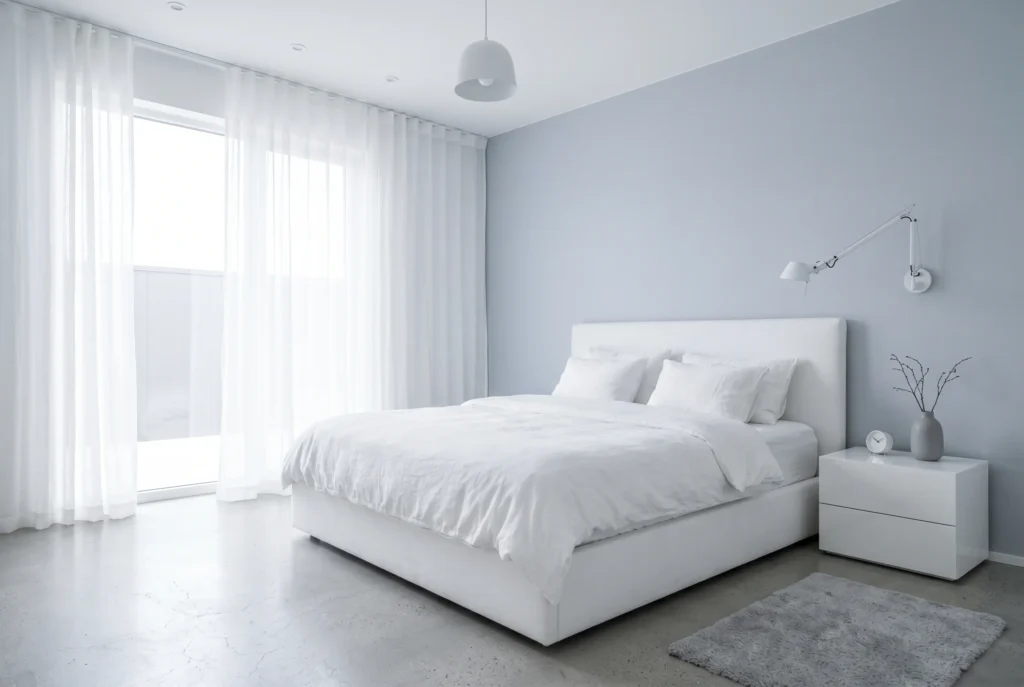
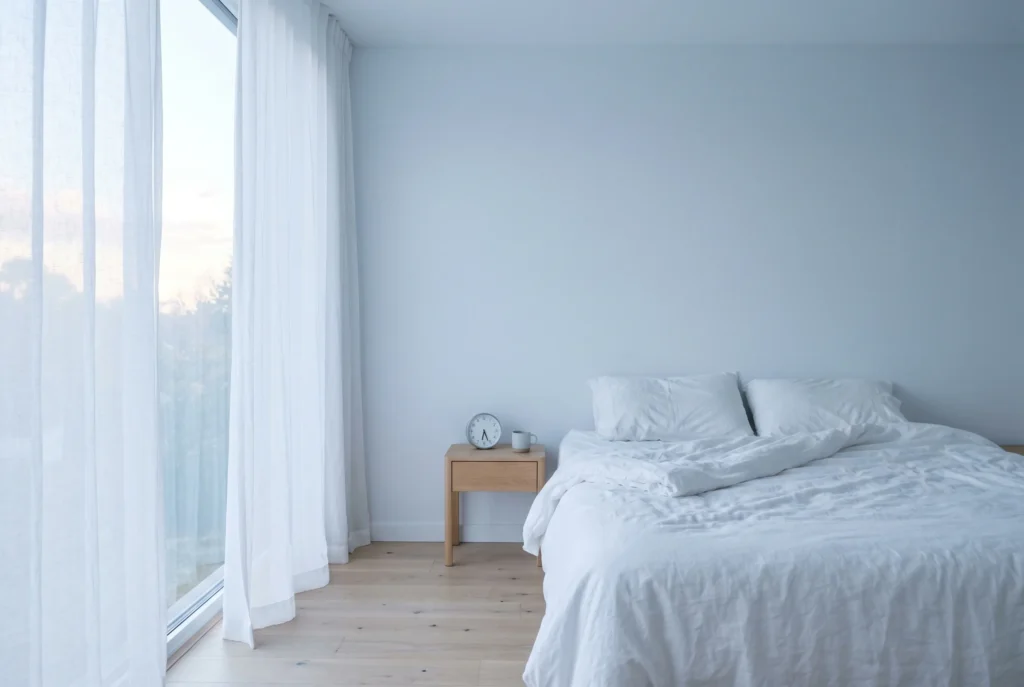
A bedroom that truly invites rest builds on three foundations. These pillars influence your sleep quality more than you think. And the best part

Articles

Cool bedroom with white bedding

Sleep Disorders in Menopause: Why Sleep Disappears and What Helps

Up to 60% of women in menopause have sleep problems. Hot flashes, hormones, and what
Bright bedroom space with natural elements

Grandma’s Home Remedies for Sleep Problems

Warm milk, chamomile tea, lavender, warm bath — which home remedies actually help and which
Bright bedroom space with meditation area

Meditation for Sleep: The 7 Best Guided Exercises

Seven guided meditations for better sleep: body scan, 4-7-8 breathing, yoga nidra, and more. Backed
Minimalist clock on white surface

Optimal Sleep Duration: How Much Sleep You Really Need

7 to 9 hours for adults. What happens with too little and too much sleep,
Smartwatch on nightstand with sleep data

Sleep Trackers Tested: What Really Works and What Doesn’t

Sleep trackers measure movement, not brain activity. Accuracy is enough for trends, not diagnoses. What
White noise machine beside a bed

Sleep Sounds: How to Block Noise and Sleep Through the Night

Noise destroys your sleep even without waking you. The most effective measures against street noise,
Sleep diary on nightstand - CBT-I exercises

CBT-I Techniques for Home: 6 Exercises That Really Work

Six CBT-I exercises you can practice at home: sleep diary, stimulus control, sleep restriction, and
White mattress with soft morning light

How to Choose the Right Mattress for Better Sleep: 7 Criteria That Matter

Harder is not better. The 7 criteria for the right mattress: firmness, zoning, material, cover
Bright therapy room with notebook - CBT-I basics

Cognitive Behavioral Therapy for Insomnia: What Is CBT-I?

CBT-I is the gold standard for treating chronic insomnia. Learn how it works, what the
Ergonomic cervical contour pillow on white bed

Pillows and Neck Pain: What You Need to Know

The wrong pillow causes neck pain. The right height, the best material, and when to
Scale with clock and sleep mask

Sleep and Weight: Why Too Little Sleep Makes You Gain Weight

Sleep deprivation changes hunger hormones, worsens insulin sensitivity, and promotes fat storage. The biology behind
Bright daybed with coffee - power nap

Power Nap: How 20 Minutes Can Transform Your Day

20 minutes of midday sleep makes you more alert, focused, and creative. The science behind

Knowledge

Frequent Question about sleep

OUR SLEEP NEED

How much sleep do I need?

Sleep needs vary from person to person, but most adults require between seven and nine hours of sleep per night to ensure cognitive function, emotional stability, and physical recovery. Getting less than six hours of sleep over an extended period has been shown to increase the risk of cardiovascular disease.

IMPORTANCE OF SLEEP

How important is sleep?

Sleep is the fundamental biological prerequisite for cognitive performance and emotional stability. Chronic sleep deprivation—defined as getting less than six hours of sleep—has been shown to increase the risk of cardiovascular disease by 48 percent, type 2 diabetes by 33 percent, and cognitive impairment, including dementia. In short: Sleep is not an optional break, but an active, physiologically essential phase of regeneration, consolidation, and detoxification.


HOW TO FALLS ASLEEP FASTER

What can help me to fall asleep?

A structured evening routine with dim lighting at least one hour before bedtime promotes natural melatonin production and prepares the body for sleep. Progressive muscle relaxation according to Jacobson or the 4-7-8 breathing technique activate the parasympathetic nervous system and lower cortisol levels. Sleep hygiene—that is, a cool, dark, quiet bedroom and avoiding screens—is the foundation for falling asleep quickly.

HOW TO STAY ASLEEP

What can help me to stay asleep

A stable circadian rhythm promotes a full night’s sleep, which you can support by maintaining consistent bedtimes, exposing yourself to morning sunlight, and keeping your bedroom cool and dark. Chronic nighttime awakenings often indicate increased cortisol-driven arousal (stress).

HOW MUCH DEEP SLEEP DO I NEED

How much deep and REM sleep should I have?

Deep sleep accounts for about 15 to 20 percent of total sleep time in young adults, while REM sleep accounts for 20 to 25 percent. In an eight-hour night, this corresponds to approximately 70 to 90 minutes of deep sleep and 90 to 120 minutes of REM sleep. Deep sleep naturally decreases with age.