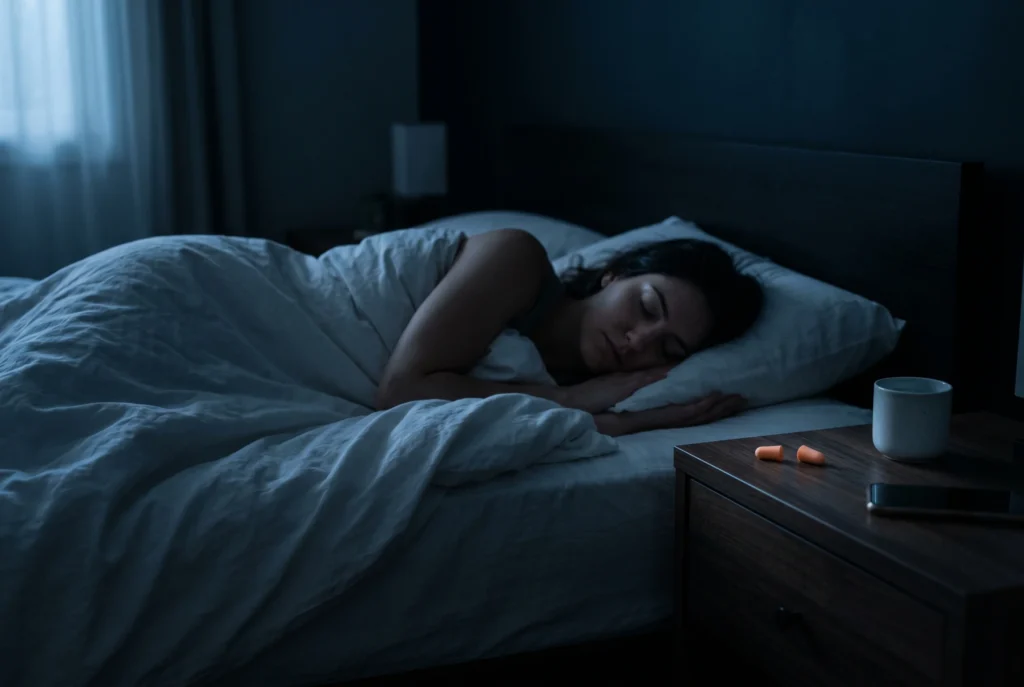


You lie in bed with your eyes closed, but your brain is running at full speed. Thoughts are racing. Sleep onset insomnia is plaguing you. You’re not alone. Millions of people know this feeling. And there are effective strategies to overcome it.
The silence of the bedroom becomes a challenge. Every small sound seems to grow louder. The pressure to fall asleep increases with every minute. Sometimes panic sets in. Morning draws closer. Rest remains elusive.
Sleep Onset Insomnia Can Have Various Causes
Stress, poor habits, environmental factors, or health issues can make falling asleep difficult. Often, several factors work together. Analysis helps identify the right solutions. Patience is important during this process. Improvements take time and consistency.
Why You Can’t Fall Asleep
The causes are diverse and individual. Stress and worries activate the nervous system. The brain stays in alert mode. Cortisol and adrenaline flow through your body. Your body is ready for action, not for rest. These hormones effectively block sleep.
Modern work culture contributes to this problem. Emails until late evening. Availability around the clock. The boundaries between work and personal life blur. The mind keeps working even in bed. The brain cannot switch off.
Electronic devices are a major culprit. Blue light suppresses melatonin. The sleep-wake rhythm gets disrupted. Social media and news activate the brain additionally. Mental distraction prevents relaxation. The mind stays busy instead of finding peace.
Irregular schedules confuse the internal clock. The body doesn’t know when bedtime is. Sleeping in on weekends worsens the problem. The so-called social jetlag develops. The result is difficulty falling asleep at the beginning of the week. The internal clock is confused.
Sometimes the cause lies within the body itself. Pain prevents relaxation. Untreated injuries disturb sleep. Chronic complaints must be medically clarified. Without diagnosis, there’s no targeted treatment. The symptoms cannot be ignored.
Psychological factors also play a significant role. Fear of not being able to fall asleep becomes a self-fulfilling prophecy. The pressure to sleep prevents sleep. Relaxation becomes impossible. A vicious cycle emerges.
Immediate Solutions for Tonight
What can you do when you can’t fall asleep right now? Here are proven techniques. They help in acute situations. Try them out. Find the one that fits your situation. Not every method works the same for everyone.
Get up if you’ve been lying awake for 20 minutes. The bed should be associated with sleep. Go to another room. Do something relaxing. No screens. No stimulating activities. Reading in dimmed light often works well. Earplugs can help.
Distraction from the pressure to sleep is important. Listen to calming music. Do light stretching exercises. Breathe consciously. Focusing on your breath calms the nervous system. Thoughts lose their power. Sleep comes naturally.
The 4-7-8 breathing technique has been proven to calm the nervous system. Breathe in for four seconds. Hold for seven seconds. Breathe out for eight seconds. Repeat this cycle four times. Your heart rate drops. Relaxation sets in. Sleep draws closer. Many people report falling asleep faster.
Another technique is body scan meditation. Guide your attention through your body. Observe sensations without judgment. Release tension. The mind calms down. Sleep often follows naturally.
Progressive muscle relaxation also works very well. Tense and relax your muscles systematically. Start with your feet. Work your way up. Many people fall asleep before finishing. The method is scientifically proven. It effectively reduces physical tension. Instructions can be found everywhere.
Long-Term Strategies for Sustainable Sleep
Behavioral changes bring lasting improvement. They take time but work long-term. Invest in these habits. The dividend is restorative sleep for years to come.
A consistent sleep ritual signals to your body that it’s time to rest. Start one hour before bedtime. Take a warm shower. Read a book. Drink herbal tea. Avoid phone and TV. The routine programs your body for sleep. After a few weeks, the effect becomes noticeable.
Sleep hygiene encompasses all environment-related factors. Keep your bedroom cool and dark. Invest in a good mattress. Ensure quietness. Optimize your sleep space. Every improvement helps your sleep. Even small changes add up to significant effects.
Consistency is the key. Go to bed at the same time. Wake up at the same time. Even on weekends. The body gets used to the rhythm. The internal clock stabilizes. Falling asleep becomes easier.
Reduce caffeine intake in the afternoon. Caffeine has a half-life of five hours. A coffee at 4 PM still affects you at 10 PM. Switch to decaffeinated or herbal tea. Your sleep will become deeper and more restorative.
Avoid alcohol before bed. It may help you fall asleep. But sleep becomes superficial. You wake up more frequently. Recovery suffers. A glass of wine is not the solution.
When Professional Help Is Needed
Consult a doctor if nothing helps. Chronic sleep onset insomnia lasting weeks requires treatment. A sleep laboratory brings clarity. Behavioral therapy is often the key. Sleep medications are not a long-term solution and can be addictive. They should only be used short-term.
Cognitive behavioral therapy for insomnia is the gold standard. It changes sleep-disrupting thoughts and behavioral patterns. Success rates are high. The effects last long-term. Many health insurance plans cover the costs. A therapist finds the right approach.
Acupuncture and relaxation techniques can help as complementary therapies. They are gentle and free of side effects. Not every method works for everyone. But the range of options is wide. Trying them out is worthwhile. Your doctor knows the options.
Conclusion
Sleep onset insomnia is stressful but treatable. With the right strategies, you can overcome it. Combine immediate measures and long-term changes. Your sleep will improve. Your quality of life will noticeably increase.
You deserve restorative nights. Sleep is not a luxury. It is the foundation for everything else. Health, performance, happiness. Everything depends on it.
Start with small changes today. A consistent bedtime. A book instead of a phone. Patience with yourself. Improvements come gradually. But they come. And they stay.
Trust the process. Your body wants to sleep. Give it the right conditions. The rest happens automatically. Good night.