
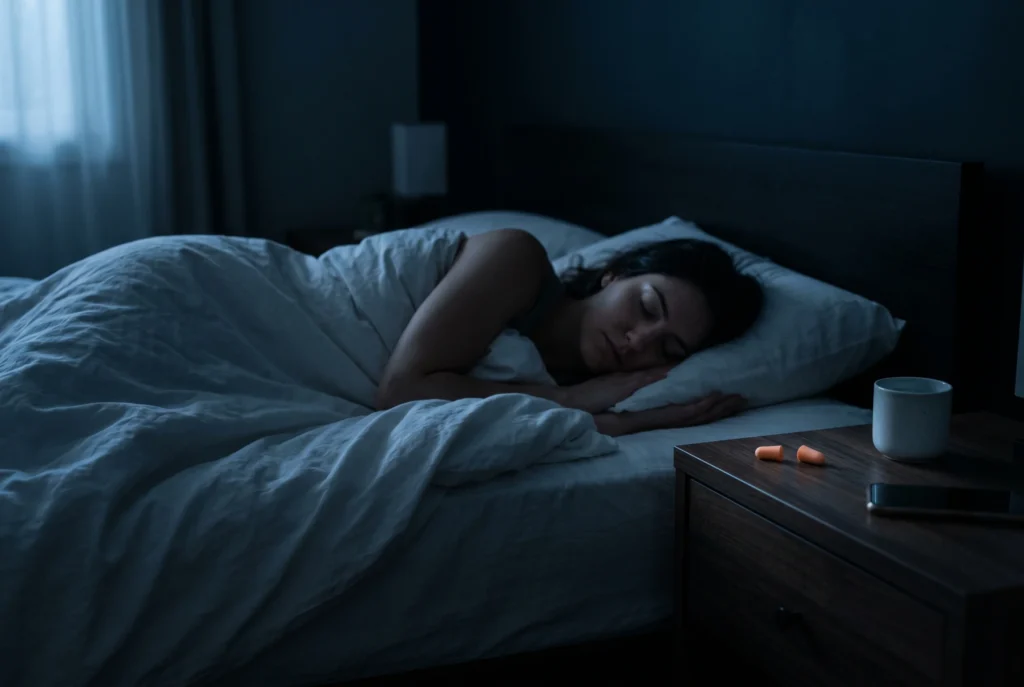
A snoring partner, traffic noise, barking dogs, or even the hum of a refrigerator can transform a night of rest into hours of frustration. For millions of light sleepers and those living in noisy environments, finding the right earplugs can be the difference between chronic sleep deprivation and restorative rest.
But with so many options on the market—from foam and silicone to custom-molded and high-tech noise-canceling varieties—how do you choose the best earplugs for your specific needs? This comprehensive guide will help you navigate the world of sleep earplugs, understand the different types available, and select the perfect pair for your unique situation and sleeping style.
Quick Answer: What Are the Best Earplugs for Sleeping?
The best earplugs for sleep depend on your specific needs. Foam earplugs offer excellent noise reduction at an affordable price. Silicone and wax earplugs mold to your ear shape for a custom fit. Reusable earplugs are eco-friendly and cost-effective long-term. Consider your sleeping position, noise level, and comfort preferences when choosing.
Why Earplugs Can Transform Your Sleep
Noise is one of the most common disruptors of sleep quality. Even sounds that don’t fully wake you can cause micro-arousals that fragment your sleep cycles. Over time, this leads to daytime fatigue, irritability, and reduced cognitive function. Earplugs provide a simple, effective solution.
The benefits extend beyond blocking unwanted sounds. Many people find that wearing earplugs helps them fall asleep faster. The reduced auditory stimulation allows the brain to quiet down more quickly. This can be particularly helpful for those with racing thoughts or anxiety.
Earplugs are especially valuable for shift workers, apartment dwellers, and travelers. Different schedules and environments create unique noise challenges. A good pair of earplugs creates a consistent sleep environment regardless of external conditions.
Types of Earplugs: Pros and Cons
Foam earplugs are the most common and affordable option. They’re made of soft, expandable foam that compresses for insertion and then expands to fill the ear canal. Foam provides excellent noise reduction, often blocking twenty to thirty decibels. However, they’re disposable and need regular replacement.
Silicone earplugs are reusable and moldable. They conform to the unique shape of your ear for a custom fit. Many people find them more comfortable than foam, especially for extended wear. They’re also more hygienic as they can be washed and reused multiple times.
Wax earplugs offer a different approach. They warm to body temperature and create a seal at the ear canal entrance rather than inside it. This can be more comfortable for some people. However, they may not provide as much noise reduction as foam or silicone options.
How to Choose the Right Fit
Proper fit is crucial for both comfort and effectiveness. Earplugs that are too small won’t create a good seal and will fall out during the night. Those that are too large cause discomfort and pressure. Most brands offer multiple sizes to accommodate different ear canals.
Your sleeping position matters. Side sleepers need low-profile earplugs that don’t press against the pillow. Foam options often work well as they compress easily. Back sleepers have more flexibility in earplug choice. Consider your typical sleeping position when selecting.
Noise reduction rating (NRR) indicates how much sound an earplug blocks. Higher numbers mean more noise reduction. For sleeping, an NRR of twenty-five to thirty-three is typically sufficient. Extremely high ratings aren’t always necessary and may block important sounds like alarms.
Proper Insertion Technique
Many people don’t get the full benefit of earplugs because they don’t insert them correctly. Foam earplugs should be rolled into a thin cylinder before insertion. Pull your ear up and back to straighten the ear canal, then insert the compressed plug. Hold in place for thirty seconds while it expands.
Silicone and wax earplugs require a different approach. Warm them in your hands first to increase pliability. Mold them into a shape that fits your ear canal entrance. Press gently to create a seal without pushing too far into the ear.
If earplugs hurt or cause pressure, you’re likely inserting them too deeply or using the wrong size. They should feel snug but not painful. Proper insertion makes a significant difference in both comfort and noise reduction effectiveness.
Special Considerations for Different Sleepers
Snoring partners present a unique challenge. Look for earplugs with high NRR ratings for maximum noise blocking. Some people use earplugs in combination with white noise machines for extra sound masking. Foam options often work best for this situation.
Tinnitus sufferers should be cautious. Complete silence can make ringing in the ears more noticeable. Some prefer earplugs that reduce rather than eliminate sound. Others use earplugs combined with gentle background noise.
Travelers need portable, convenient options. Disposable foam earplugs are lightweight and easy to pack. Reusable options with carrying cases also work well. Consider bringing multiple pairs when traveling in case one gets lost.
Safety and Health Considerations
Earplugs are generally safe when used properly, but some precautions are important. Never insert anything deep into the ear canal. This can damage the eardrum or push earwax further in. Follow manufacturer guidelines for proper depth.
Keep earplugs clean to prevent ear infections. Reusable options should be washed regularly with mild soap and water. Allow them to dry completely before reuse. Replace disposable earplugs frequently—daily is ideal for foam options.
Some people experience earwax buildup from frequent earplug use. If you notice decreased hearing or a feeling of fullness, take a break from earplugs. Consult a doctor if problems persist. Earwax removal may be necessary.
When Earplugs Aren’t Enough
Sometimes earplugs alone don’t solve sleep problems. If you’re still waking frequently despite using earplugs, other factors may be at play. Sleep disorders, stress, or environmental factors beyond noise might be involved.
Consider combining earplugs with other sleep aids. White noise machines create a consistent sound environment that masks intermittent noises. Blackout curtains eliminate light disturbances. Together, these create optimal sleep conditions.
For extremely noisy environments, noise-canceling headphones designed for sleep might be worth considering. These are bulkier than earplugs but offer superior noise reduction. Some are specifically designed to be comfortable for side sleepers.
Top Recommendations by Category
For budget-conscious buyers, foam earplugs offer the best value. Brands like Mack’s and Howard Leight provide excellent noise reduction at low cost. Buy in bulk for even greater savings. Replace regularly for hygiene and effectiveness.
For comfort seekers, silicone options like those from Loop or Happy Ears provide a premium experience. They’re reusable, washable, and often come with carrying cases. The higher upfront cost pays off over time with repeated use.
For maximum noise blocking, look for foam earplugs with high NRR ratings. Some specialized options block up to thirty-three decibels. These are ideal for very noisy environments or extremely light sleepers. Test different brands to find the most comfortable high-NRR option.
Conclusion
Finding the right earplugs can dramatically improve your sleep quality. The best choice depends on your specific needs, ear anatomy, and sleeping habits. Don’t be afraid to try several types before finding your perfect match.
Remember that earplugs are just one tool in your sleep hygiene toolkit. Combine them with other good sleep practices for optimal results. Quiet nights lead to better days, and the right earplugs can help you achieve both. Sweet dreams!