
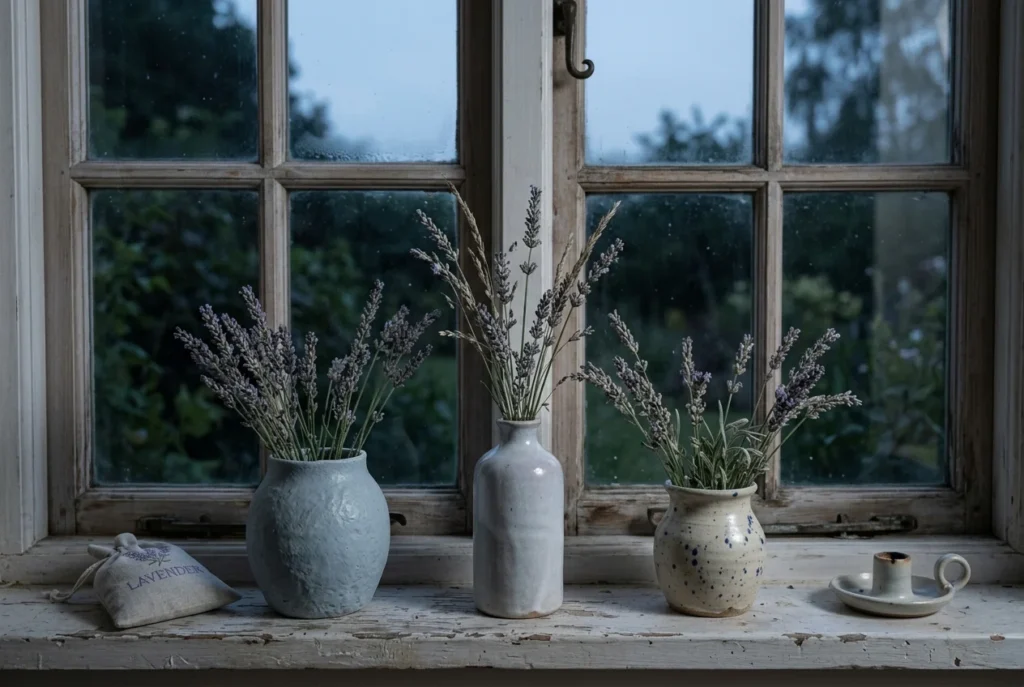
The gentle scent of lavender relaxes and calms the mind. Many people swear by this natural sleep aid that has been known for centuries. Even the ancient Romans and Greeks used lavender for relaxation and purification. But how does lavender really work when it comes to falling asleep, and how can you use it properly?
Quick Answer: Does Lavender Help You Sleep?
Yes, lavender can support sleep. The essential oils contain linalool and linalyl acetate, which have a calming effect on the nervous system. Studies show that lavender lowers heart rate and reduces feelings of anxiety. This makes it easier to fall asleep and promotes deeper sleep.
Why Lavender Has a Calming Effect
Lavender contains active compounds that directly affect the brain. Linalool, the main component of lavender oil, binds to specific receptors in the nervous system. These receptors regulate the release of neurotransmitters that signal relaxation. The chemical structure of linalool resembles certain neurotransmitters that naturally occur in the brain and trigger calmness.
The result is a reduction in sympathetic nervous system activity. This is the part of the nervous system responsible for stress and activation. At the same time, parasympathetic activity increases. This is the part responsible for rest and recovery. This shift is also known as the “relaxation reflex” and is crucial for transitioning into sleep.
This shift from activation to rest is exactly what is needed for sleep. Your body receives the signal that the danger is over and it is time for regeneration. The heart beats slower, blood pressure drops, and muscles relax.
How to Use Lavender Properly
There are various ways to use lavender for sleep. Essential oil is the most concentrated form. You can diffuse it in a diffuser or put a few drops on a tissue. Important: Essential oils should not be applied undiluted to the skin. Consult a doctor if you suspect any intolerance.
Lavender pillows are a gentle alternative. The dried flowers release the scent slowly and continuously. Place the pillow next to your head or under your regular pillow. The scent will gently accompany you into sleep. You can renew the flowers after a few months when the scent fades.
A bath with lavender additive provides additional relaxation. The warmth of the water opens the pores, and the active ingredients can be absorbed through the skin. Ten to fifteen minutes is enough to feel the effect. A subsequent cold rinse stimulates circulation and enhances the relaxation effect.
What the Research Says
Several studies have examined the effect of lavender on sleep. A study with heart failure patients showed that lavender aromatherapy improved sleep quality. Participants fell asleep faster and woke up less frequently. Sleep duration increased by an average of thirty minutes per night.
Another study with students found that lavender increased sleep duration and reduced morning grogginess. The calming effect appears to be measurable. Particularly interesting is that participants also reported feeling subjectively more relaxed and rested.
However, research is not unanimous. Some studies show only weak effects or no significant improvement over placebo. This means: lavender does not help everyone equally well. It is a gentle remedy, not a strong sleeping pill. Individual reactions to essential oils vary greatly from person to person.
Practical Tips for Application
Start with a small amount to test how you react. Some people are sensitive to essential oils. One drop of oil on the wrist shows if you are allergic. Wait twenty-four hours before using larger amounts.
Use lavender about thirty minutes before bedtime. This gives the active ingredients time to unfold. The scent should be pleasant, not overpowering. Less is often more. One to two drops of oil are completely sufficient.
Change the application form regularly. The body gets used to scents, and the effect can diminish. Some nights use the oil, others the pillow. This keeps the effect effective over a longer period. Combining it with other relaxation methods like breathing exercises can also help.
Who is Lavender Suitable For and Who Should Be Cautious
Lavender is particularly suitable for people with mild sleep problems. When stress, mild anxiety, or nervous restlessness make it difficult to fall asleep, lavender can help. The calming effect supports the natural falling asleep process. People who suffer from tension also often benefit from the muscle-relaxing effect.
For severe sleep disorders, lavender alone is often not sufficient. Chronic insomnia or sleep apnea require medical treatment. Lavender can serve as a supportive measure here, not as the sole solution. In such cases, you should consult a sleep specialist to clarify the causes.
Children and pregnant women should only use lavender after consulting a doctor. Essential oils are highly concentrated and can have side effects in sensitive individuals. Pets sometimes also react sensitively to essential oils, especially cats.
Conclusion
Lavender is a proven, natural remedy for better sleep. The calming active ingredients support the falling asleep process and can improve sleep quality. However, it works gently and not equally strongly for everyone. Combine it best with good sleep hygiene for optimal results.
Try it out if you are looking for natural support. Start with a lavender pillow or a few drops of oil in a diffuser. Pay attention to your reaction and find the application form that suits you best. Over time, you will notice if lavender really helps your sleep. Good night!