
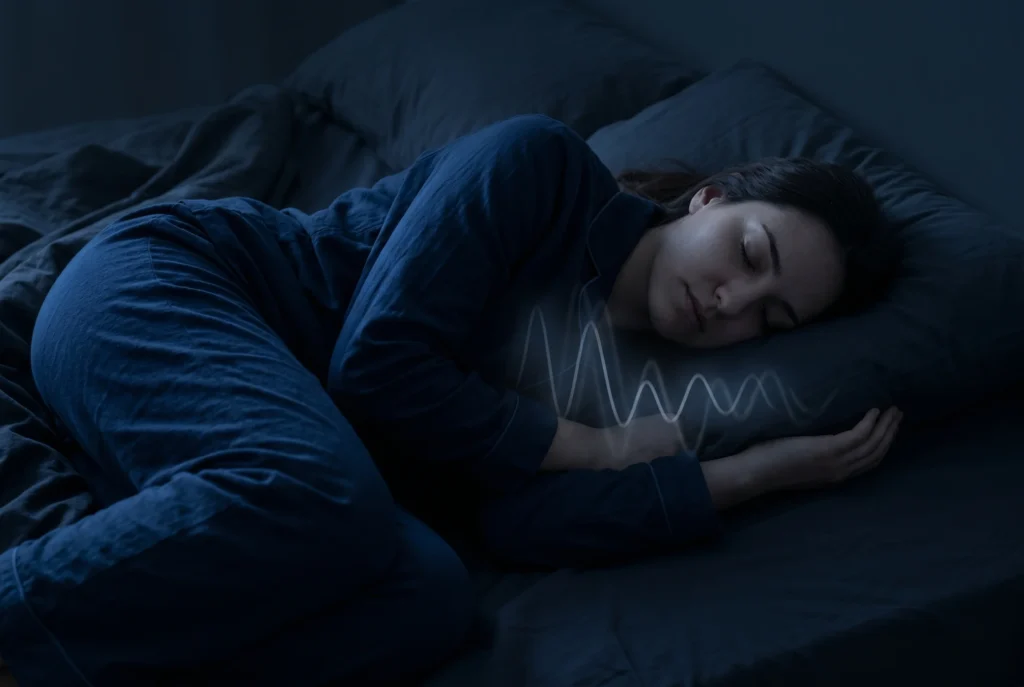
How Do Breathing Pauses During Sleep Happen?
When you fall asleep, the muscles in your throat relax. For most people, the airways stay open. But in sleep apnea patients, they narrow or close. The tongue falls back, soft palate tissue sags — and air can no longer pass through.
The body reacts immediately: the brain releases stress hormones, heart rate spikes, you briefly wake up. This arousal reflex is lifesaving because it reopens the airways. But it destroys your sleep architecture. Instead of restorative cycles, you go through a constant up and down — shallow sleep, arousal, shallow sleep.
Possible triggers include excess weight, as fat tissue in the neck area narrows the airways, naturally narrow airways, enlarged tonsils, a receding lower jaw, or family predisposition. Alcohol and sleep medications also worsen the problem because they make the throat muscles even more relaxed.
The Hidden Symptoms — How to Recognize Sleep Apnea
Many sufferers know nothing about their breathing pauses. They wake up without remembering the apneas. Instead, other symptoms appear: severe daytime sleepiness despite seemingly adequate sleep duration, morning headaches from oxygen deprivation during the night, concentration problems, and irritability.
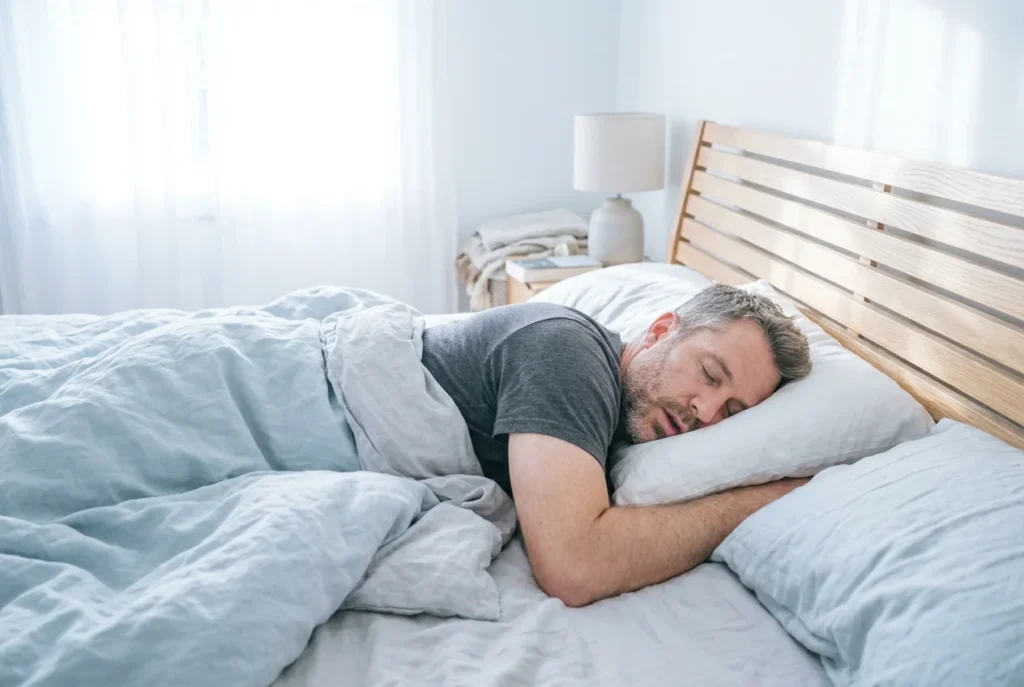
A partner is often the first to notice something — loud snoring interrupted by sudden silence, followed by a gasp or snorting sound. That’s the moment when breathing resumes after a pause.
Additional signs: nighttime sweating without apparent cause, frequent urination during the night, dry mouth in the morning, and a constant urge to sleep during the day. If several of these symptoms occur together, a sleep study is advisable.
Health Risks: Why Breathing Pauses Are Dangerous
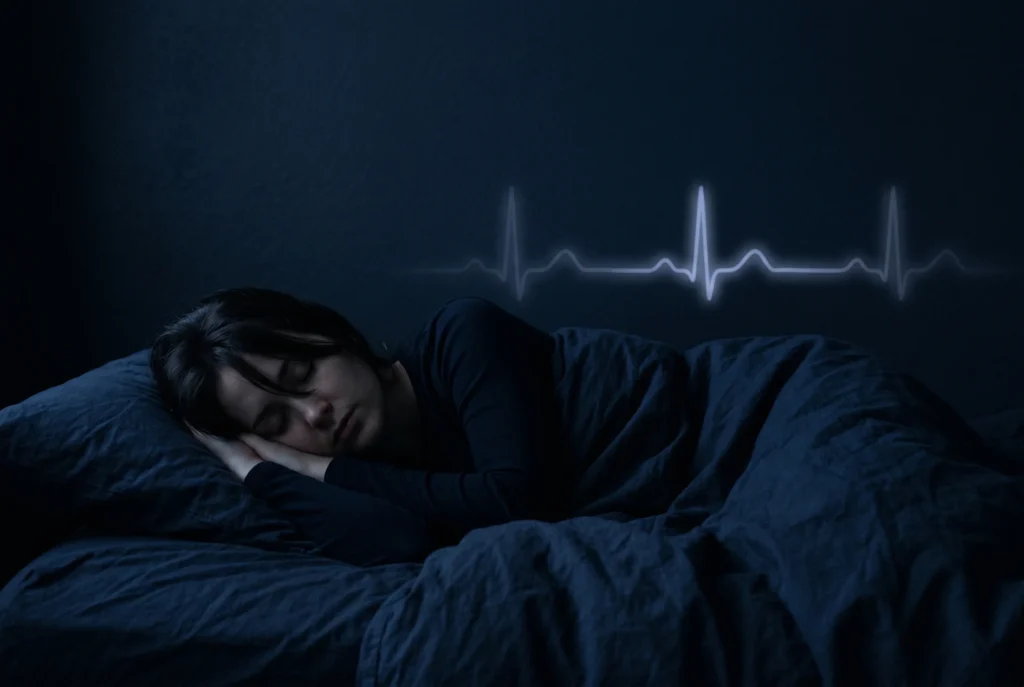
Every breathing pause means oxygen deprivation. The brain responds with a stress response — similar to a fight-or-flight reaction. Blood pressure and heart rate spike. With frequent pauses, this happens dozens of times per night.
Long-term, sleep apnea significantly increases the risk of high blood pressure, cardiac arrhythmias, heart attack, and stroke. Studies show that untreated sleep apnea raises cardiovascular risk by up to 30 percent. Type 2 diabetes and depression also occur more frequently.
The daytime sleepiness carries its own risks: traffic accidents, mistakes at work, and generally impaired performance. Sleep apnea patients have a two to seven times higher accident risk on the road.
Diagnostics: When to See a Doctor
If you snore regularly, have breathing pauses, or feel tired during the day, you should see an ENT doctor or sleep specialist. Diagnostics often begin with a screening questionnaire that estimates the likelihood of sleep apnea.
If the suspicion is confirmed, a polysomnography in a sleep lab follows. Brain waves, heart activity, oxygen saturation, airflow, and muscle movements are monitored. The evaluation shows how many breathing pauses occur per hour and how much oxygen levels drop.
Alternatively, there are ambulatory screening devices for home use. They’re less precise but can provide initial clues. Important: sleep apnea cannot be self-diagnosed. If you suspect it, see a doctor — the examination is painless and covered by health insurance.
Treatment: From CPAP to Lifestyle Changes
The standard therapy for obstructive sleep apnea is the CPAP mask. It creates gentle positive pressure that keeps the airways open during sleep. The effect is remarkable: breathing pauses nearly disappear, and quality of life improves measurably. The adjustment period takes a few weeks — but it’s worth it.
For mild sleep apnea, a mandibular advancement device can also help. It pushes the lower jaw forward and keeps the airways clear. It’s smaller than a CPAP mask and easier to accept, but only works with certain anatomical conditions.
Lifestyle changes are particularly important for overweight patients. Losing just five to ten percent of body weight can significantly reduce sleep apnea severity. Sleeping on your side instead of your back helps many patients because the tongue falls back less. Avoiding alcohol and sleep medications in the evening also helps, as they relax the throat muscles further.
Sleep apnea is also associated with other health problems: reflux disease occurs more frequently because the negative pressure in the airways can pull stomach acid into the esophagus. Chronic inflammation increases and the immune system weakens. Sleep apnea is not an isolated sleep problem — it’s a systemic health risk.
The key takeaway: Sleep apnea is treatable. The choice between CPAP, oral appliance, and lifestyle changes is made with your doctor — based on severity and individual conditions.
Conclusion
Breathing pauses during sleep are not normal snoring — they’re a warning signal. Sleep apnea strains your heart, circulation, and quality of life. But it can be effectively treated once you recognize it. Watch for the symptoms: daytime sleepiness, morning headaches, loud snoring with pauses. If you suspect it, get checked — a sleep study can sustainably improve both your sleep and your health. The first step is recognizing that breathing pauses are not normal.