
The Sleep Paradox of Our Time
We live in an era of unparalleled medical possibilities and comprehensive knowledge. And yet something fundamental has become rare: restful sleep.
Never before could we control our sleep environment so perfectly. Never before have we had so much knowledge about sleep hygiene and circadian rhythms. And yet we sleep worse than ever. Average sleep duration has declined by one to two hours per night over recent decades.
This shift is not a biological decrease in need — it’s a cultural one. The human body still requires seven to nine hours of sleep. What has changed is our willingness to invest that time. This article explores why sleep became a luxury — and how you can reclaim it.
The Quiet Dispossession of Sleep
The Work Culture of Constant Availability
Digitalization dissolved the boundaries between work and private life. Emails at midnight, Slack messages on weekends, video conferences across time zones — everything sends the message that sleep is secondary.
Studies show that always-on availability directly correlates with poorer sleep. Meta-analyses confirm that employees with high expectations for after-hours availability suffer significantly more from sleep disorders and burnout.
The phenomenon of revenge bedtime procrastination describes how people who had no control over their time during the day claim the nighttime hours as their only free time — even at the cost of sleep. The late Netflix session, the endless scrolling: it’s not mere laziness, but a desperate attempt to regain autonomy.
The Tyranny of Screens
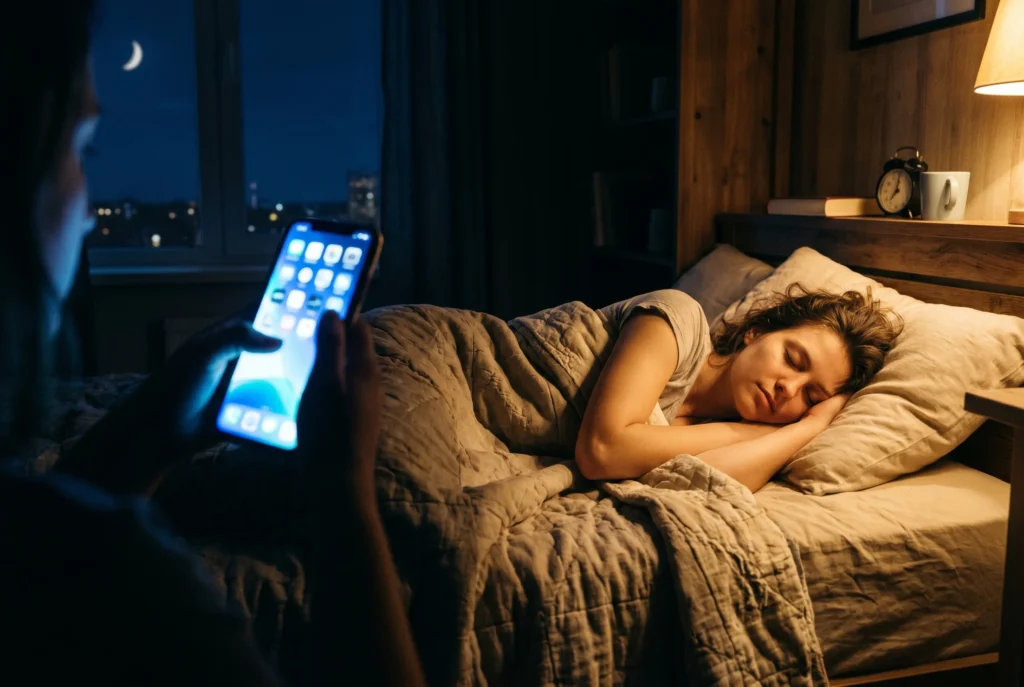
Our gaze is fixed on glowing screens for an average of over seven hours daily. Smartphones, tablets, and laptops bombard us with light, especially in the blue spectrum. This light deceives our circadian rhythm by signaling to the brain that it’s still daytime. Melatonin production is suppressed, the internal clock shifts, and the process of falling asleep is delayed.
Research shows that LED screens before bedtime not only reduce sleep quality but also impair next-day cognitive performance. Particularly problematic: many people use smartphones not just until bedtime, but also during the night. Each micro-activation throws the body out of the sleep process.
The Mythology of Productivity
Our society reveres the productive, always-reachable individual. Historical figures who allegedly slept only four hours are silently cited as role models — even though science shows that chronic sleep deprivation massively impairs decision-making quality and emotional regulation.
The hustle culture phenomenon, especially in startup environments, glorifies overwork and sleep deprivation as proof of dedication. That this approach leads to poor decisions and burnout in the long run is ignored or accepted as a necessary evil.
The Consequences of Sleep Deprivation
Brain and Mental Health
During sleep, the glymphatic system flushes toxic metabolic products from the brain. This includes beta-amyloid, which is associated with Alzheimer’s disease. Reduced sleep impairs this cleaning process and can accelerate the accumulation of neurotoxic proteins.
People with chronic sleep deprivation have up to a 33 percent increased risk of dementia. Short-term memory suffers, creative problem-solving ability declines, and emotional reactions become excessive. Sleep deprivation and depression go hand in hand — a vicious cycle that reinforces itself.
Metabolism and Immune System
Chronic sleep deprivation is a risk factor for cardiovascular disease, type 2 diabetes, and obesity. The immune system suffers severely: sleep deprivation reduces the production of cytokines and antibodies, makes us more susceptible to infections, and diminishes the effectiveness of vaccinations.
Studies show that people who sleep less than seven hours are three times as susceptible to colds as those who sleep eight hours or more. Sleep is the most cost-effective immune therapy available — and yet we sacrifice it willingly.
Societal Costs
The costs of sleep deprivation are enormous. In the United States, annual indirect costs from sleep disorders are estimated at up to $411 billion. In Europe, the dimensions are similar.
Sleep deprivation impairs cognitive performance similarly to alcohol consumption. After 17 to 19 hours without sleep, reaction times are equivalent to those of a person with a blood alcohol level of 0.05%. Sleep-deprived doctors make more errors, pilots endanger lives, and decision-makers take riskier decisions.
The Way Back: Sleep as a Right, Not a Luxury
Structural Changes
Some companies recognize the importance of sleep: Google and Nike offer sleep pods, Aetna paid employees bonuses for sufficient sleep. But these remain exceptions.
What’s needed is systemic redesign: clear boundaries on availability, flexible working hours that respect chronotypes, and a leadership culture that understands sleep not as weakness but as a prerequisite for sustainable performance.
Remote work and flexible hours during the pandemic enabled better adaptation to natural needs. At the same time, the boundary between work and private life blurred further for many. The future must clearly define: when do we work, and when do we rest?
Individual Sovereignty
Good sleep is fundamentally achievable for everyone. It doesn’t require expensive devices — it requires decisions:
Prioritization: Put sleep first. Not as a leftover, but as a non-negotiable foundation. Start your evening early enough so there’s enough time for sleep.
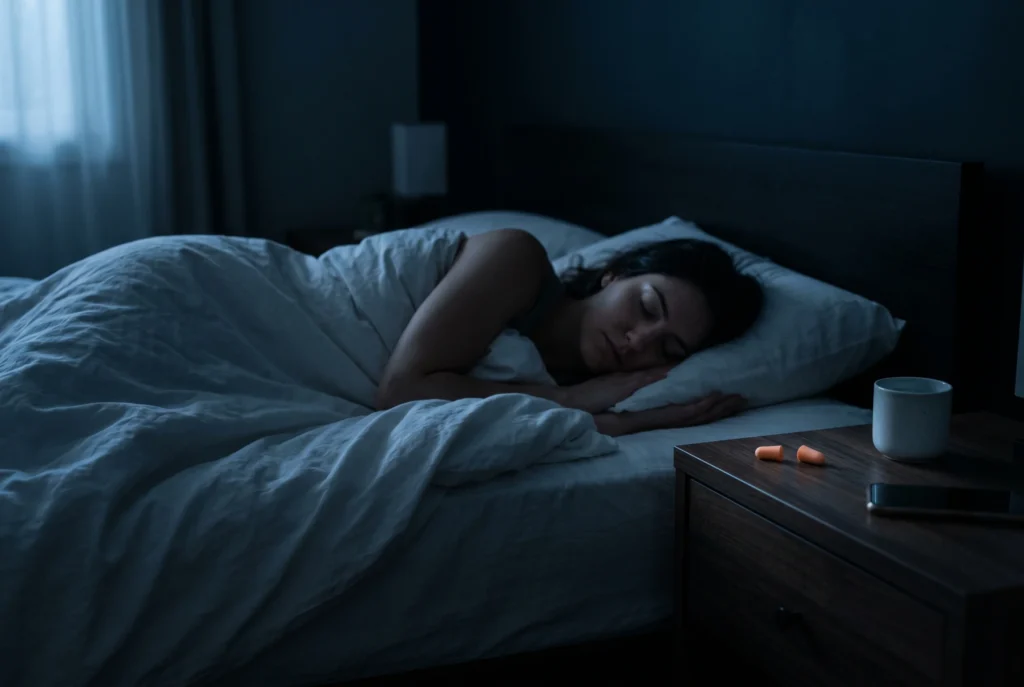
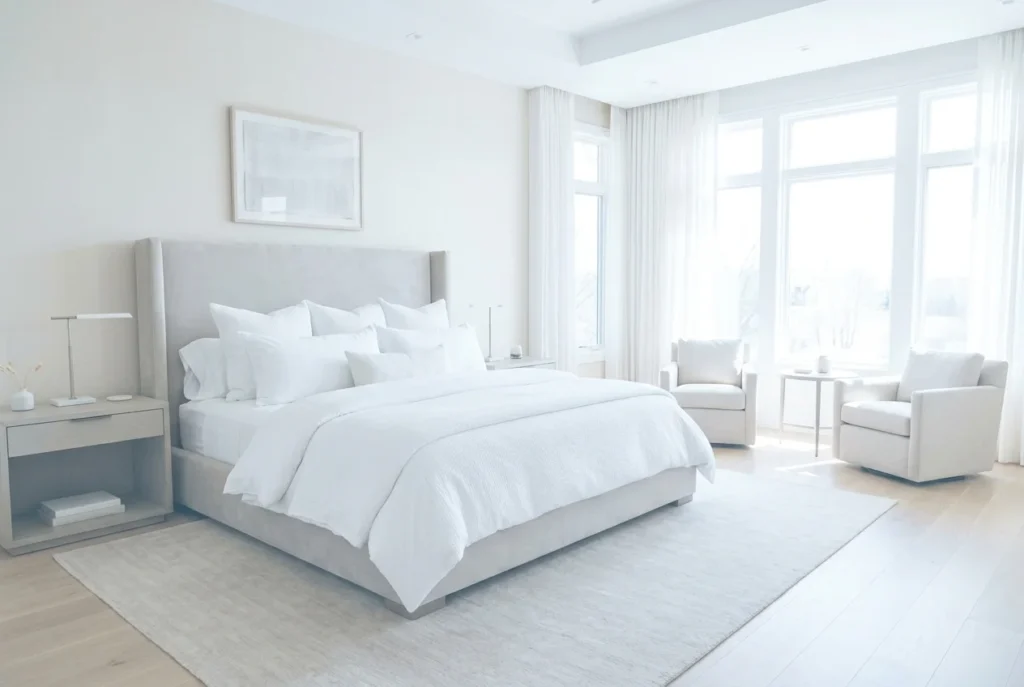
Create the right environment: Cool, dark, quiet. 18°C (64°F) is optimal. Blackout can be a sleep mask. Silence comes from earplugs or white noise.
Establish a rhythm: A consistent sleep schedule is the most powerful lever. Go to bed at the same time every day, wake up at the same time every day. Even on weekends.
Manage light: Daylight in the morning — ten minutes directly after waking stabilizes the circadian rhythm. In the evening, dimmed, warm light. Blue light filters, or better yet: no screens two hours before bedtime.
The Power of Habits
Good sleep isn’t created in bed — it’s created by what you do before. A structured evening ritual signals to the body: sleep is coming now.
The brain dump technique: Before going to bed, write down everything on your mind. Worries, to-dos, ideas. Just let it out, without structuring. The brain stores the information and lets it go.
A book instead of a screen. Actual paper, dimmed light. Reading relaxes, distracts, and prepares for sleep — without blue light that suppresses melatonin.
Nutrients That Support Sleep
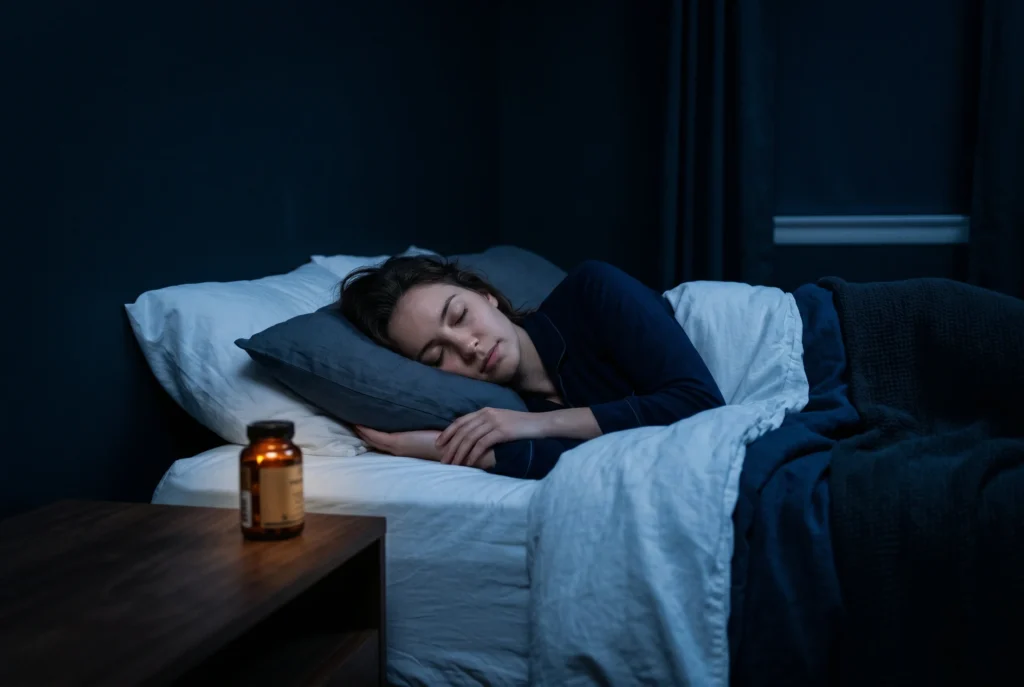
Certain substances can support sleep — naturally, without risk of dependence:
Magnesium activates the parasympathetic nervous system and regulates melatonin. Dark leafy greens, nuts, and seeds are good sources.
L-tryptophan is the precursor to serotonin and melatonin. Dairy products, poultry, and eggs contain it. A glass of warm milk with honey before bed provides tryptophan and complex carbohydrates that promote its absorption into the brain.
Lavender has a calming effect. Studies show that lavender aromatherapy improves sleep quality, especially under stress. Essential oils in a diffuser or dabbed on a pillow.
When Luxury Becomes Attainable
Good sleep is not an unattainable luxury. It is the result of conscious decisions and consistent habits. Anyone can reclaim it.
The first step is awareness. Recognizing that sleep is not optional. That chronic tiredness doesn’t have to be the norm. That investing in sleep pays off in energy, health, and performance.
The second step is prioritization. Making time for sleep — through earlier bedtimes, protected evening hours, and a consistent rhythm. Setting boundaries against the forces that want to dispossess your sleep.
The third step is environment. Cool, dark, quiet. Simple measures, enormous impact.
The fourth step is patience. Changes take time. The body needs to adapt to new rhythms. One to two weeks until a new sleep rhythm takes hold. Months until chronic sleep deprivation is fully recovered from.
The Revolution Starts with the Individual
Structural changes in society would be desirable: working hours that follow circadian rhythms, schools that start later, a culture that values sleep.
But these changes won’t come tomorrow. What’s possible today: your own decision for good sleep. Your own rebellion against the culture of wakefulness. Your own space where sleep becomes natural again.
This is the luxury we can reclaim. Not through purchasing power, but through the power of decision. Not through exclusivity, but through prioritization.
Good sleep is not a lost luxury. It waits to be recognized as something natural once again.
Conclusion: The Reclamation
The world won’t change on its own. The forces that dispossess our sleep are powerful: algorithms, marketing, economic incentives.
But we have something stronger: the ability to decide. The ability to set priorities. The ability to change habits.
Good sleep is not an unreachable luxury for the privileged. It is the foundation of human health and performance. And it is attainable for anyone willing to prioritize it.
Start today. Not with perfection, but with one step. A more consistent rhythm. A cool, dark environment. One hour without screens before bedtime.
The quiet reclamation of good sleep begins with you.